
Year 4 Science
Welcome to Habitats!
Become a Habitat Detective 🔎
What is a habitat? What lives there? How do habitats help living things?
Section 1 • Living Things & Their Habitats
What Is a Habitat?
A habitat is an area where animals and plants live. Habitats usually provide the things living things need to survive.

🌱
Plants
Plants need suitable conditions such as light, water, space and nutrients.
🐦
Animals
Animals need things such as food, water, shelter and space.
💧
Water
Water is essential for living things. Different habitats provide it in different ways.
☀️
Light
Plants need light to make their food. Animals may also depend on plants.
🍃
Food
Habitats can provide plants or other organisms that animals can eat.
🏠
Shelter
Shelter can protect living things from weather and predators.
Section 1 • Investigation
What Does a Living Thing Need?
Choose the things a living thing needs to survive. Think carefully!

What does a living thing need to survive?
Section 1 • Explore
Meet Different Habitats
Click a habitat to investigate what it can provide.
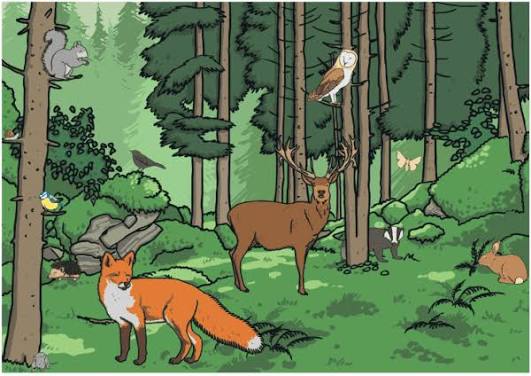
Woodland
Trees, shade and leaf litter.
Plants may include trees, ferns and flowers. Animals may include owls, squirrels and insects. It can provide food and shelter.
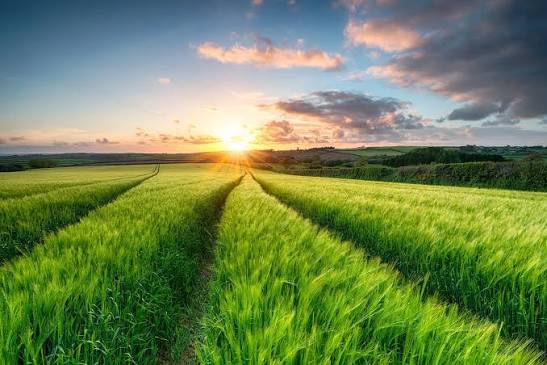
Field
Open countryside and grasses.
Grasses and wildflowers can grow here. Animals such as cows, rabbits and insects may find food and space.
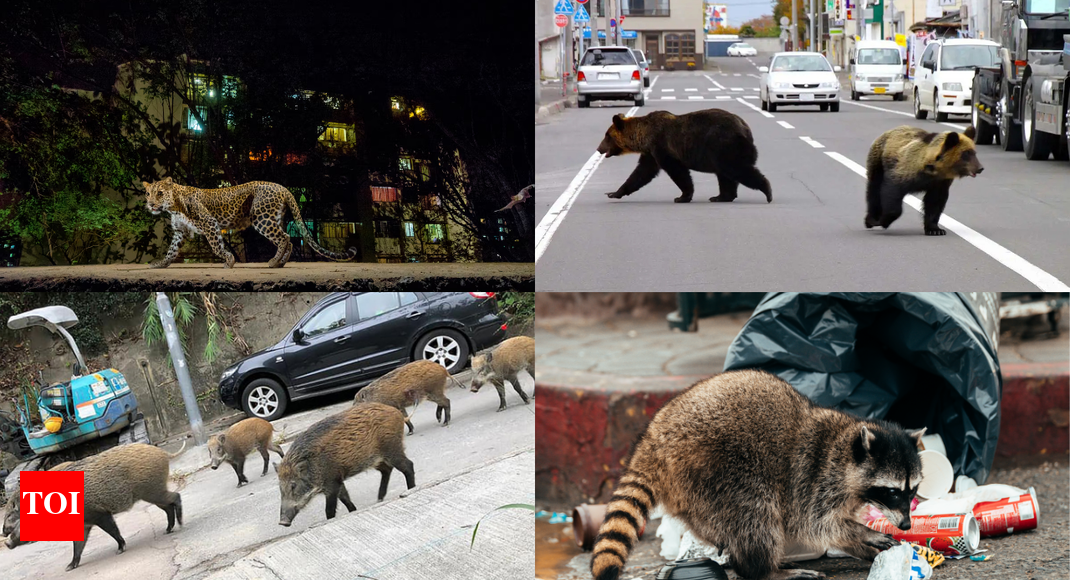
Urban Area
Buildings, roads and people.
Pigeons, insects and some plants can live in cities. Buildings, parks and gardens can provide shelter and food.
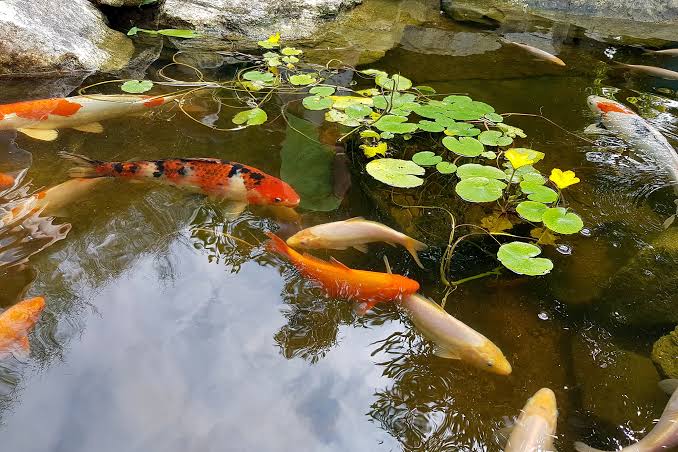
Aquatic Habitat
Water environments.
Ponds, rivers and lakes are aquatic habitats. Fish, frogs, water plants and many small organisms can live there.
Section 1 • Sort It
Urban or Rural?
Urban = an area with many buildings where people live and work. Rural = an area of countryside with few buildings.
Section 1 • Key Vocabulary
What Is Biodiversity?
Biodiversity = the variety of living things in a habitat.
Habitat A
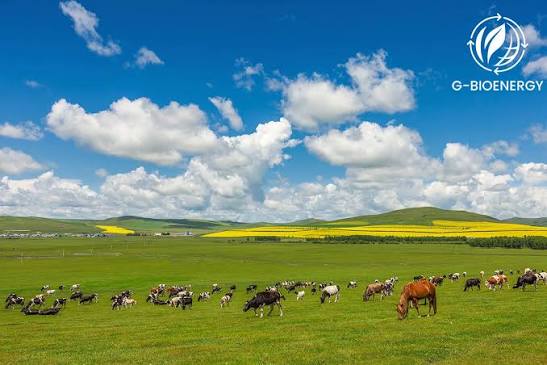
Only a few different types of living things are shown.
LOWER varietyHabitat B

Many different plants and animals are shown.
GREATER variety
Which habitat has greater biodiversity?
Section 1 • Habitat Detective
Explore the Habitat 🔎
Click the hotspots to discover what this habitat provides.
Why might living things live here?
Look for the resources and conditions the habitat provides: food, water, shelter, light and space.
Section 1 • Think Like a Scientist
Would a Pigeon Live Here?

Would a pigeon live in an aquatic habitat?

Section 1 • Challenge
Habitat Matching Challenge
Drag each animal to a habitat where it can find suitable conditions.
Section 2 • Classification Keys — Animals
What Is Classification?
Classification means grouping living things based on their characteristics.
🐕 🐈
Fur
You could group animals by whether they have fur.
🐟 🐸
Water
You could group animals by where they live or spend much of their time.
🦅 🐧
Features
You can use observable characteristics such as feathers, wings or a spine.
💡 Scientists classify living things using features that can be observed and described.
Section 2 • Learn the Tool
What Is a Classification Key?
A classification key helps us identify or group living things. It uses closed YES/NO questions.
Does the animal have fur?
↓
Why YES/NO? A closed question gives a clear choice, so we can follow one pathway through the key.
Section 2 • Good Science Questions
Open or Closed?
A useful classification question should be based on an observable characteristic and have a YES/NO answer.
Section 2 • Mini Key
Bee or Ant?
Use the question to identify the insect.
Section 2 • Vertebrates & Invertebrates
Vertebrate or Invertebrate?
Vertebrate = an animal with a spine. Invertebrate = an animal without a spine.
Section 2 • Build a Key
Build the Animal Key
Choose a YES/NO question to split the animals into useful groups.
Animals: 🐶 Dog • 🐟 Fish • 🦅 Eagle • 🦋 Butterfly
Section 2 • Mystery Game
Guess My Animal 🕵️
The computer has secretly chosen an animal. Ask up to 5 YES/NO questions, then make your guess.
Question 1 of 5
Your answers will appear here.
Section 2 • Final Animal Challenge
Animal Classification Challenge
Can you choose a useful pathway for all six animals?
Which first question would separate vertebrates from invertebrates?
Section 3 • Classification Keys — Plants
Plants Can Be Classified Too!
Do all plants look the same?
Plants have different observable characteristics. These can help us classify them.
Section 3 • Observe
Look at Plant Features
Click a feature to learn what scientists can observe.

Section 3 • Plant Key
Plant Classification Key
Follow the pathways by answering YES or NO.
Does the plant have a trunk?
Section 3 • Flowering Plants
Flowering or Non-Flowering?
Flowering plant = a plant that can produce flowers and fruit. Non-flowering plant = a plant that does not produce flowers and fruit.
Section 3 • Mystery Plant
Plant Detective 🔎
Answer YES/NO questions about the mystery plant. The clues will narrow down the group.

Does the plant have...
Choose a clue.
Section 3 • Build a Key
Build a Plant Key
Plants: Oak • Rose • Dandelion • Fern
Choose the first question.
Section 3 • Scientific Thinking
Which Question Should We Ask?
We are classifying a mystery rose. Which question is useful?
Section 4 • Human Impact
Humans and Habitats
Can humans affect habitats? YES! Human actions can both help and damage habitats.
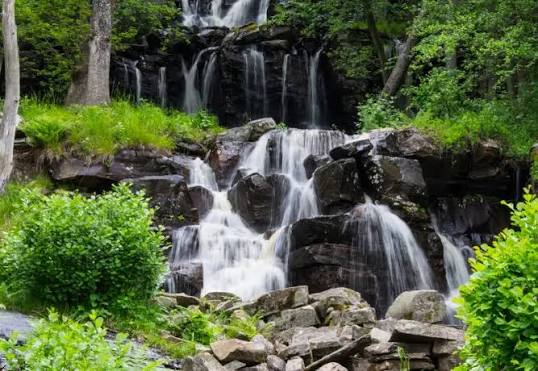
HELP
People can protect and restore habitats.
Nature reserves
Ponds
Wildflowers
Rewilding
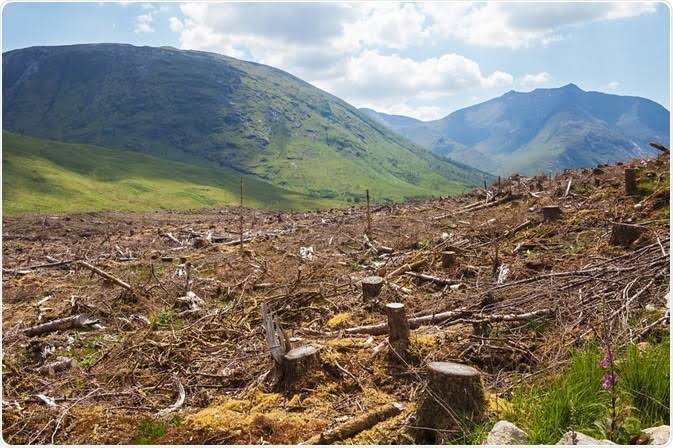
DAMAGE
Some human activities can reduce habitat quality or biodiversity.
Deforestation
Habitat destruction
Resource extraction
Section 4 • Negative Impact
Negative Human Impact
Deforestation
Clearing trees from a woodland or forest habitat.
Deforestation means clearing trees so the land can be used by humans.
🏗️
Destroying habitats
Changing or removing places where organisms live.
When habitats are destroyed, living things can lose food, shelter, water or space.
⛏️
Resource extraction
Removing useful natural resources from the environment.
Extracting resources can change habitats. Using too many limited resources can cause problems.
Section 4 • Before & After
What Happens When Trees Are Removed?
BEFORE
Trees provide places for living things to feed, shelter and live.
AFTER
Animals may lose habitat. Plants may be removed and biodiversity can be affected.
Click a question to reveal an idea.
Section 4 • Natural Resources
Natural Resources
Natural resources are materials humans use that have been removed from the environment.
🌳
Wood
Comes from trees and can be used by people.
🪨
Rocks & minerals
Can be extracted from the Earth.
💧
Water
People and ecosystems depend on water.
Why could using too many natural resources cause problems?
Section 4 • Positive Impact
Humans Can Help Too! 🌱
Click each action to discover how it can help habitats.
Nature reserves
Areas where living things are protected from human activity.
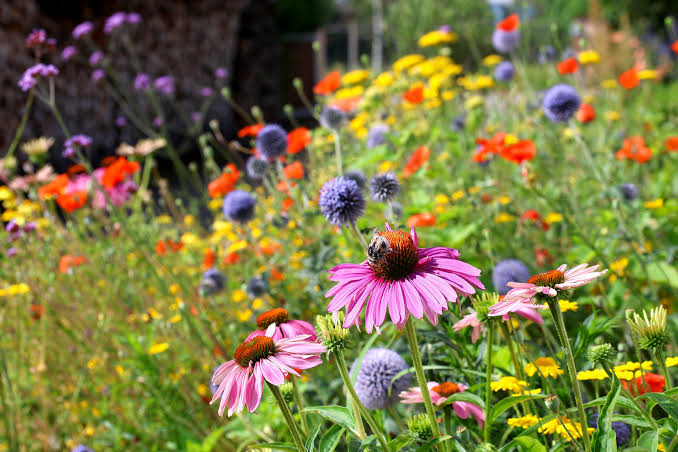
Wildflower areas
Wildflowers can provide food and habitat for insects and other organisms.

Wildlife spaces
Wildlife-friendly areas can give organisms food, shelter and places to reproduce.
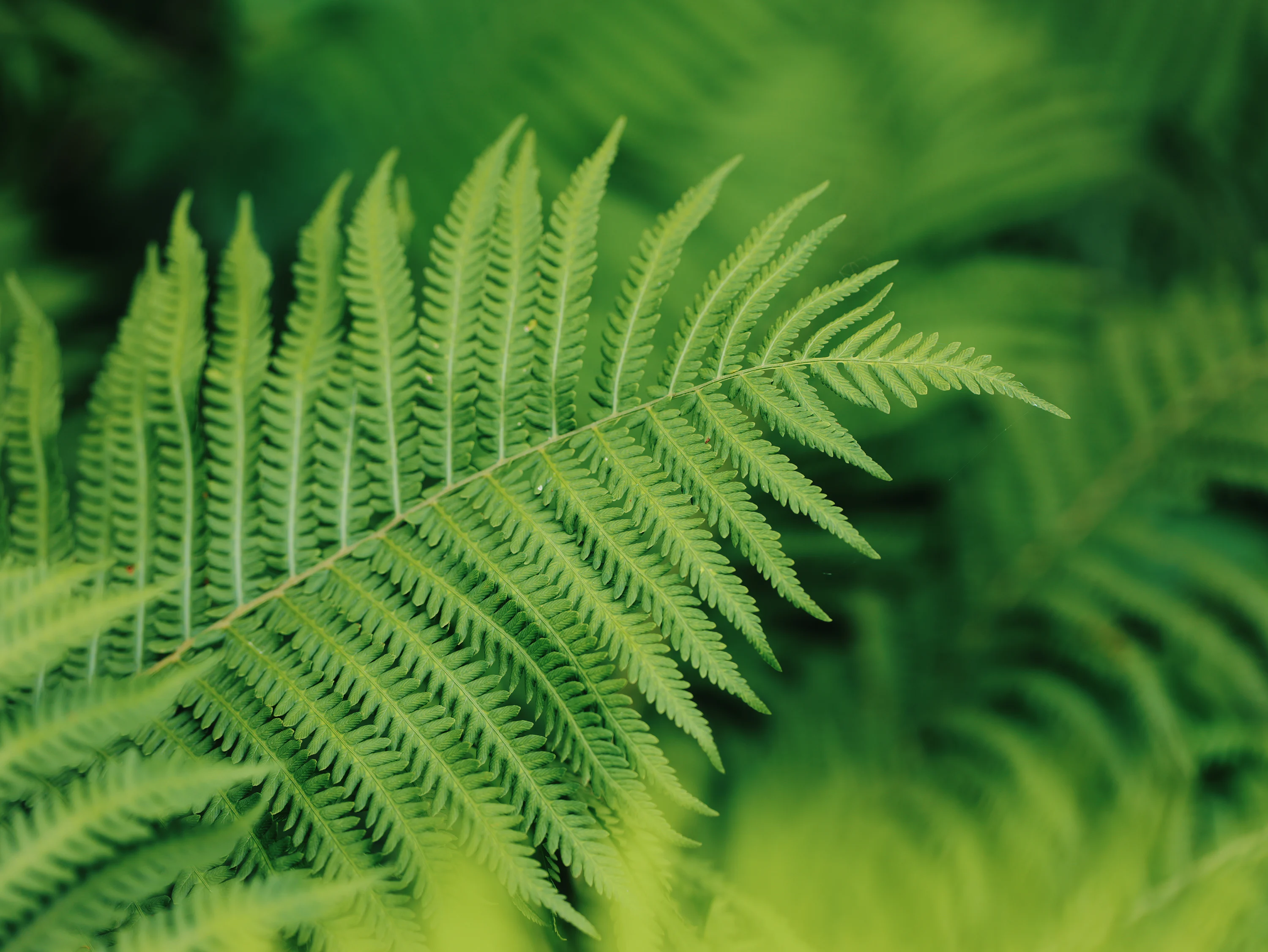
Rewilding
A method of increasing biodiversity by reducing human activity.
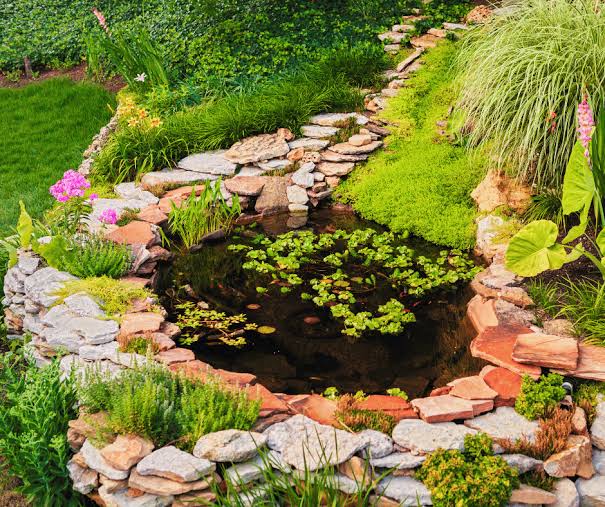
Ponds
Ponds can provide water and habitats for plants, insects, frogs and other organisms.
Section 4 • Rewilding
What Is Rewilding?
Rewilding is a method of increasing biodiversity by reducing human activity.
BEFORE
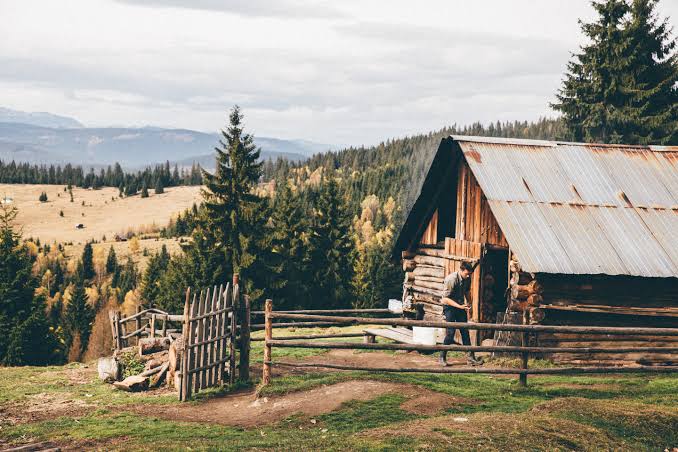
More human management and activity.
AFTER
A more natural habitat can support a wider variety of living things.
Section 4 • Protection
Nature Reserve 🏞️
A nature reserve is an area where living things are protected from human activity.
How could this help wildlife?
Section 4 • Biodiversity Chain
Build a Pond! 💧
Your school creates a small pond. How could this increase biodiversity?
Pond →
🌱
Plants
→
🐸
Frogs
→
Insects →
🐦
Birds
Click each stage to explore the connection.
Section 4 • Sort It
Help or Harm?
Drag each action into the category that best describes its possible impact on habitats.
Final Investigation • Local Environment
Habitat Investigation 🔎
Imagine you are investigating a habitat near your school. Record what you observe.
Final Investigation • Big Enquiry Question
What Impacts Do Humans Have?
Complete the sentences using your own science ideas.
Humans can affect habitats by...
One negative impact is...
One positive impact is...
This can affect biodiversity because...
Final Quiz • 10 Questions
Habitat Master Quiz 🏆
